
Network Operations Tool
Built in a full-time professional role (not an IvyyDev client engagement). My role: design and implementation of the network operations platform.
I built an internal network operations platform to replace scattered SNMP scripts, legacy templates, and manual routines. The tool gives operations and support teams a clear view of buildings, rooms, outlets, and switches, with safe SNMP actions, structured logging, analytics, and audit trails in one interface.
TL;DR
A modern internal operations platform giving a business client one place to manage network outlets, switches, SNMP actions, analytics, and audit logs. Result: Faster troubleshooting, lower manual workload, and a central source of truth for network operations.
Multi-phase rollout
Development time
Solo project
Collaboration
Success
Project outcome
100%
Client satisfaction
The challenge
The client relied on scattered SNMP scripts, old templates, and manual routines. Operations and support lacked one reliable interface for outlets, switches, status, and traceable actions.
My approach
I designed and built a Django + React platform that centralizes network operations. The solution combines dashboards, switch and room views, unified search, safe SNMP actions, background health checks, and structured observability in one maintainable system.
Technical features
Built with modern technologies and best practices for reliability and performance
Technology stack
Modern technologies and frameworks for optimal performance
Security and quality
Built with security best practices and quality assurance
Clean architecture
Well-structured codebase following industry standards
Performance
Optimized for speed, scalability, and user experience
Key features
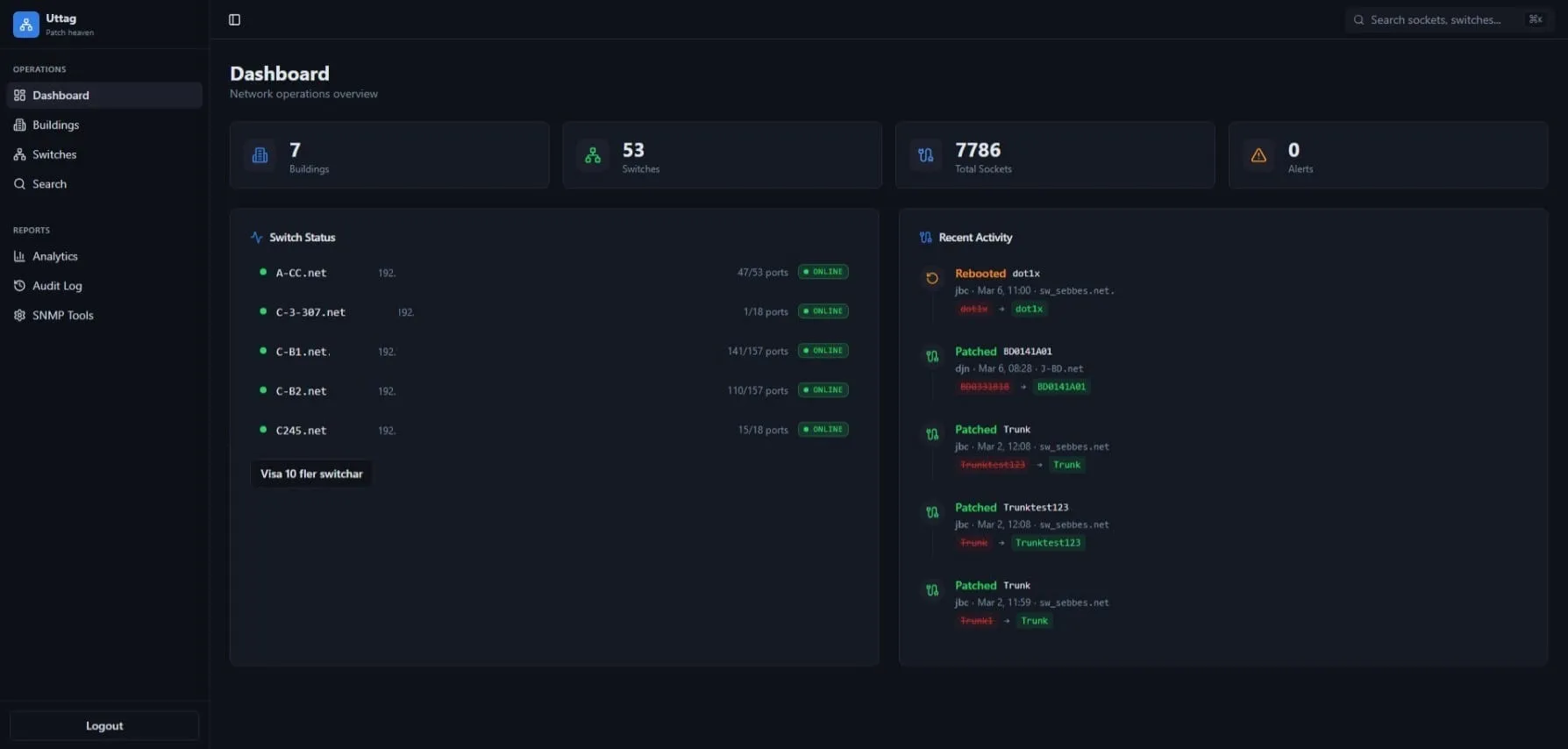
Dashboard with live switch health and recent operations
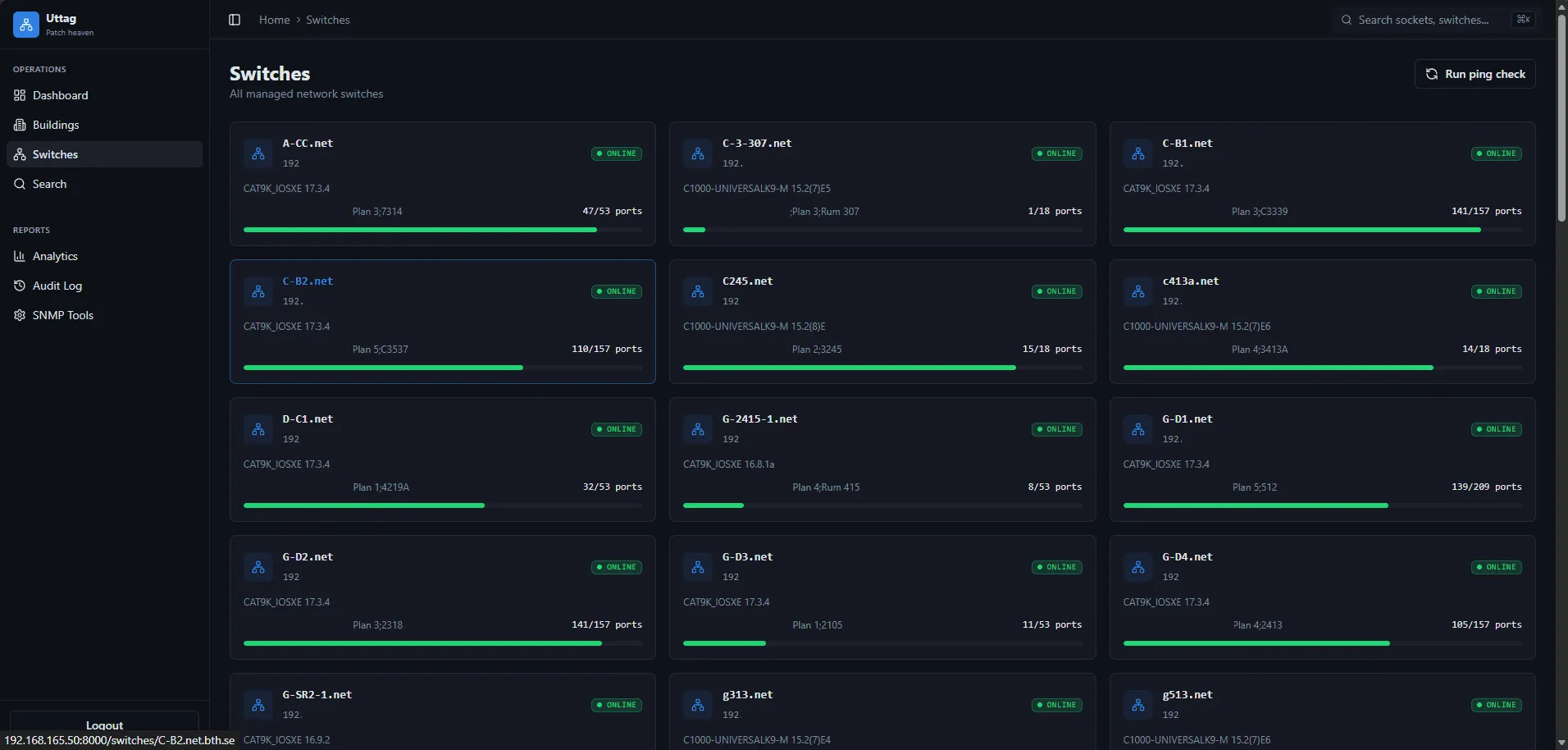
Card-based switch overview with status, model, and port utilization
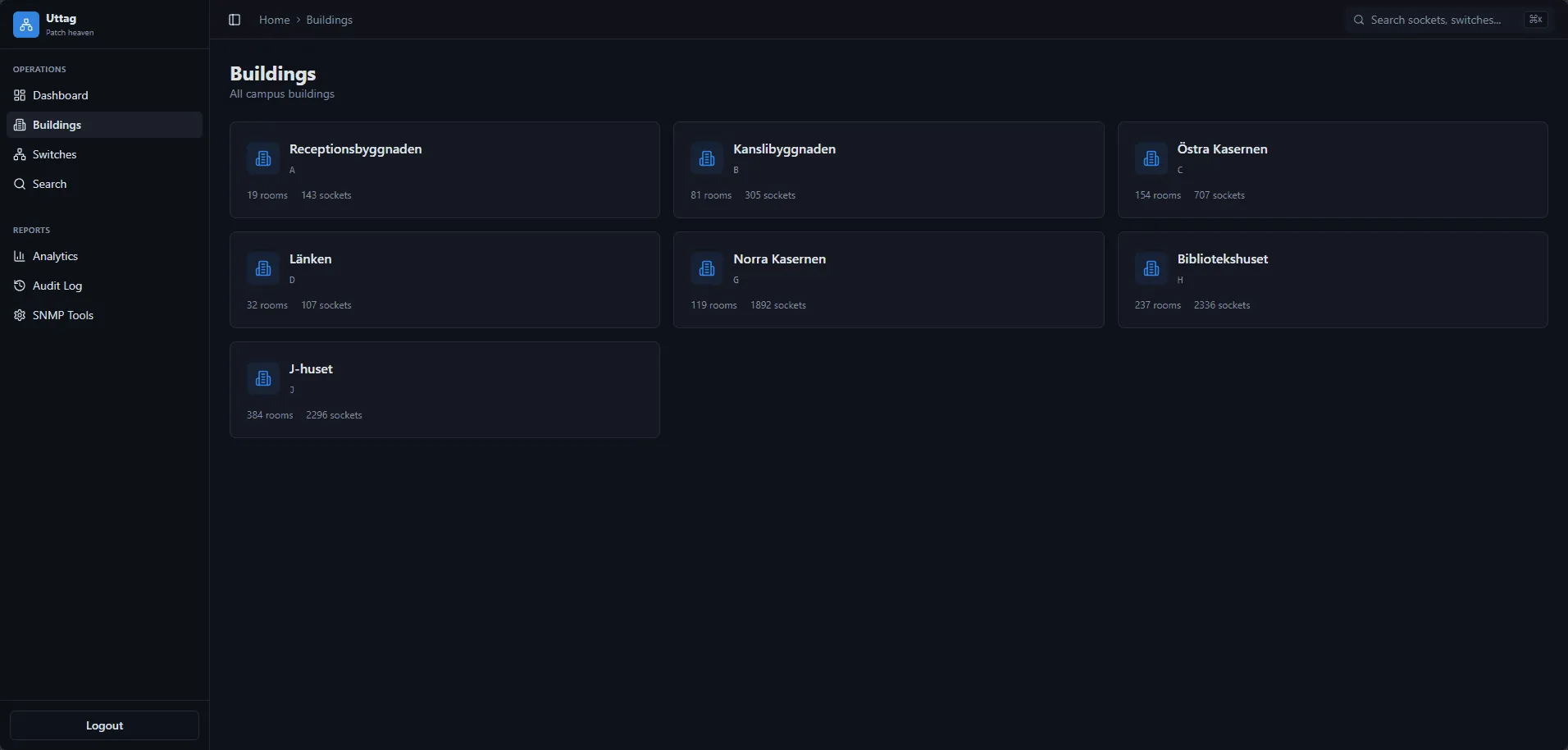
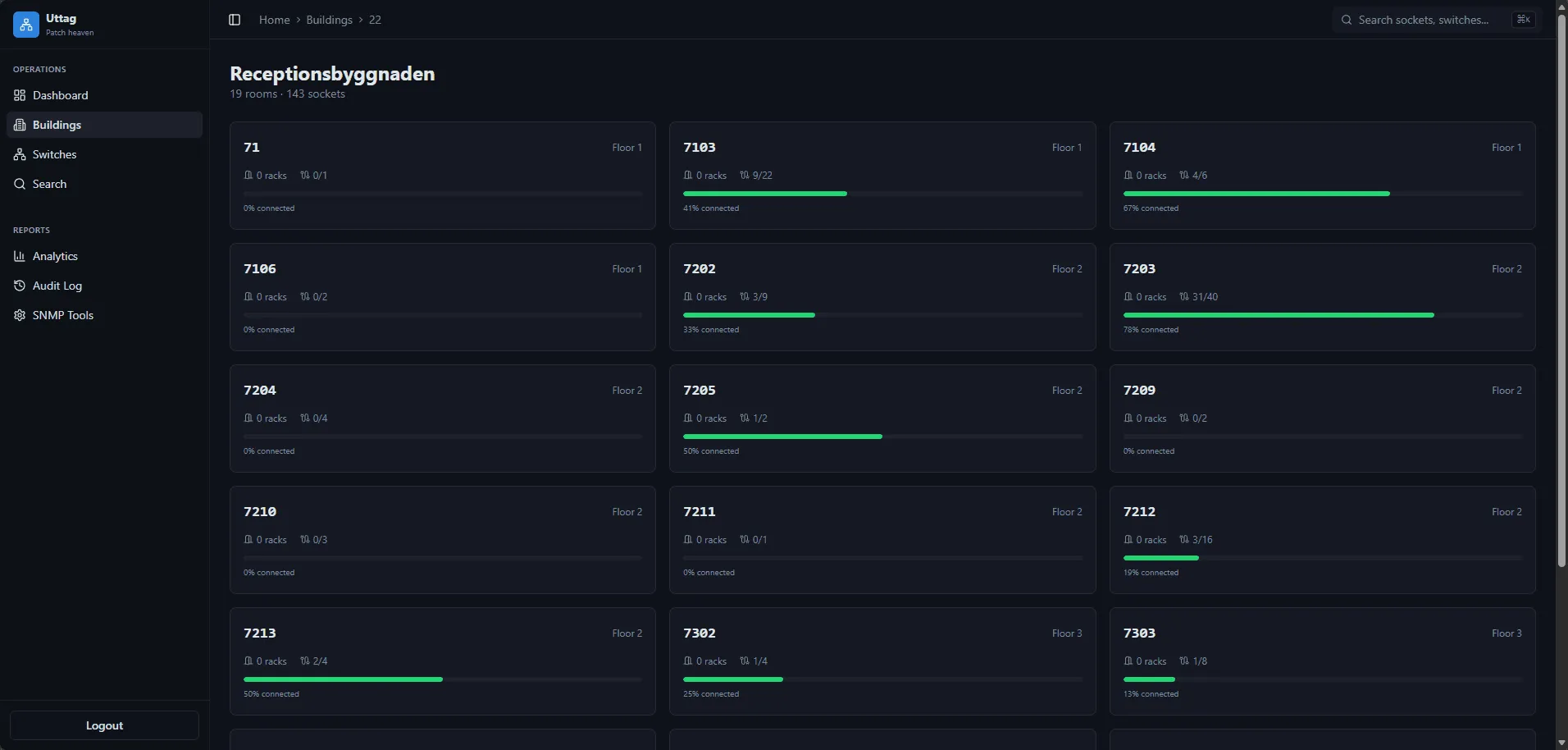
Building and room views that map sockets to physical locations
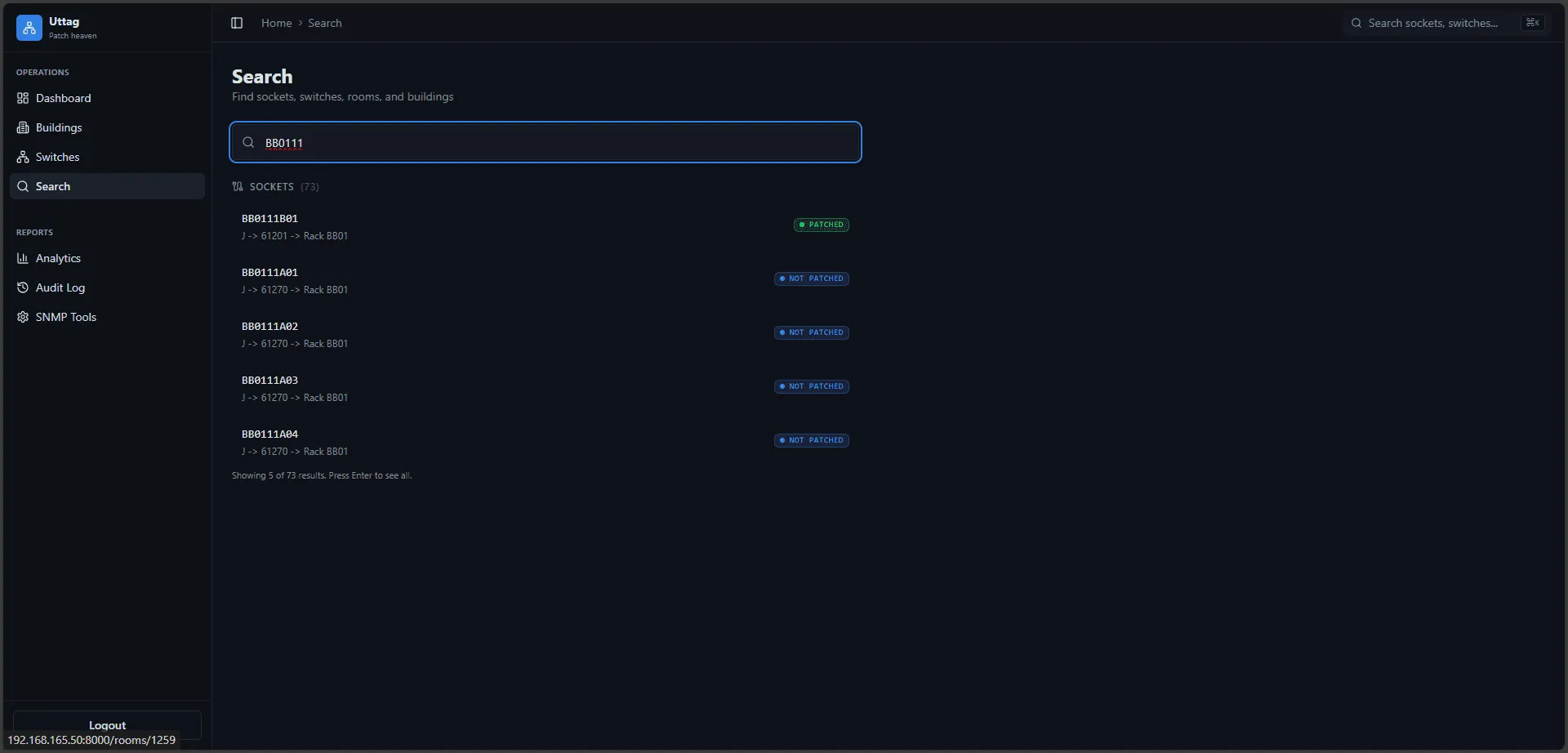
Unified search for sockets, switches, rooms, and buildings
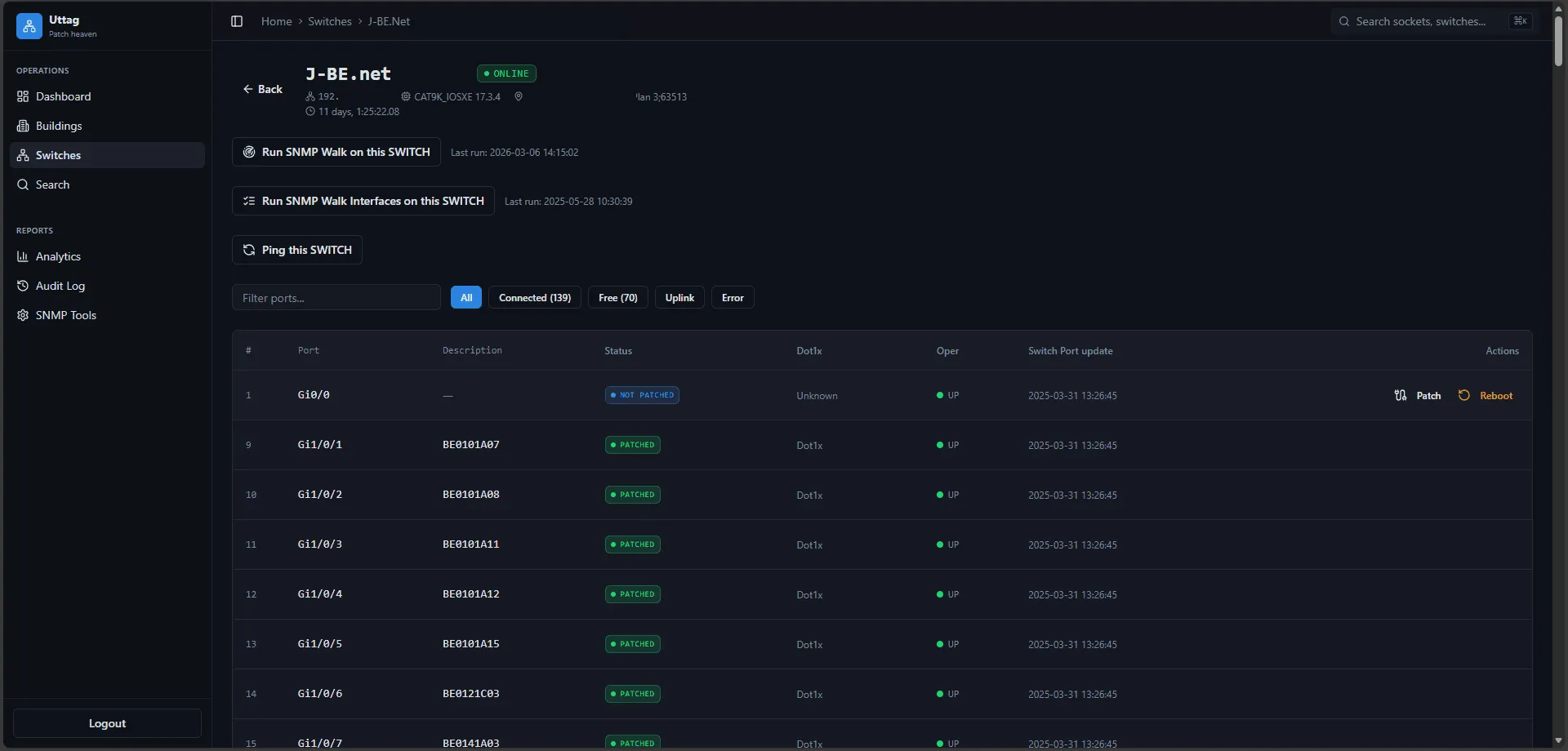
Safe SNMP workflows via backend commands and background jobs
Global ping health checks with operator feedback in the UI
Structured logging for SNMP, ping, Django, and SQL
Analytics and audit log for patching, reboot, and change tracking
Project gallery
Selected screenshots from the project.
Technologies used
Related articles
Project impact
The client now resolves incidents faster, performs less manual SNMP work, and has full traceability for critical changes. Teams can move from question to action in a few clicks instead of jumping between scripts and legacy views.